

Dairy Tips & Insights

Summer Milk Safety, Milk Delivery Dehradun Summer, Milk Refrigeration Temperature, Fresh Milk Handling, Milk Delivery Checklist, Hot Weather Dairy Storage
Dairy Tips & Insights

Summer Milk Delivery in Dehradun: Must Read Receiving Checklist

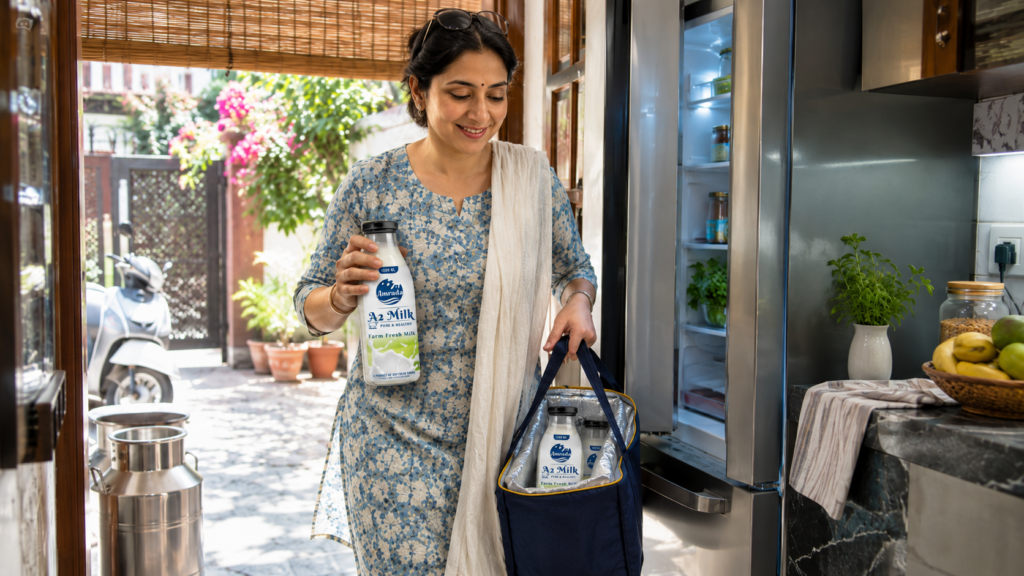
Summer Milk Delivery in Dehradun: A Practical Receiving Checklist is a practical question rather than a reason to follow a one-size-fits-all rule. A useful answer starts with the ingredient, the household routine and the specific result you want. This guide focuses on receiving and handling perishable milk during hot weather and gives steps that can be used in an ordinary Indian kitchen. It separates food-safety recommendations from personal preference and avoids presenting an example portion as a medical prescription. Where a product or service is mentioned, check current labels and locality availability before ordering. Amrada is based in Dehradun and associated with KSP Fresh Farms, Jhabarawala, Doiwala. Milk delivery is restricted to serviceable Dehradun areas; paneer, dahi and buttermilk are available only to existing milk customers in eligible areas. Selected ghee products can be ordered across India subject to PIN-code serviceability. The sections below show how to make decisions, avoid common errors and adapt the method to real family needs. Milk is a perishable food, and time outside appropriate temperature control matters. A delivery can be convenient yet still require a reliable handover. Summer heat makes an unattended doorstep, sunny balcony or parked vehicle a poor holding place. Plan the receiving process before the delivery arrives rather than assuming a sealed container can remain outside safely. Why hot weather effect the receiving of milk? Milk is a perishable food, and time outside appropriate temperature control matters. A delivery can be convenient yet still require a reliable handover. Summer heat makes an unattended doorstep, sunny balcony or parked vehicle a poor holding place. Plan the receiving process before the delivery arrives rather than assuming a sealed container can remain outside safely. A practical way to apply this:  First identify the specific step in  why receiving milk matters in hot weather  that you can control today. Keep the tools simple: a clean measuring vessel, a written note, a timer or a refrigerator thermometer may be enough, depending on the task. Try the approach in a normal household situation before relying on it for a festival, guest meal or busy workday. Note the outcome in ordinary language: too much, too little, too warm, too thin or just right. That observation is more valuable than an unsupported promise about a product. Prepare a clean place before delivery Clear a refrigerator shelf, clean any reusable receiving container and make sure someone knows the expected arrival arrangement. A covered, food-safe container protects from incidental contamination but does not replace refrigeration. If a household member will receive the milk, explain where it belongs and how to check the package before storage. What to avoid:  Do not confuse a familiar kitchen habit with a verified safety standard. In the context of  prepare a clean place before delivery , a visually appealing result does not prove that a perishable ingredient was stored correctly, and a traditional practice does not by itself establish nutritional benefit. Check the original product instructions and use official food-safety guidance where appropriate. If something has been held at an unsafe temperature or its history is uncertain, do not try to repair the problem with spices, reheating or a more attractive presentation. Inspect the package without delaying chilling Check that the container is intact, closed and appropriately labelled. Look for leakage, damaged seals or unusual swelling. Do not spend time photographing a normal delivery while the milk warms on a counter. If there is a concern, contact the supplier promptly and follow its advice; avoid tasting questionable milk as a safety test. An example to adapt:  Imagine preparing the same routine for two households: one has a predictable weekday schedule and a reliable refrigerator; the other has guests, variable meal times and limited cold storage. The right implementation of  inspect the package without delaying chilling  may differ even when the ingredient is identical. Write down what changes: quantity, preparation time, serving time, storage space and who is responsible. Choose a small adjustment and reassess. This method encourages a repeatable result without turning one family’s preferences into a rule for everyone. For a reliable external reference, consult the FDA food waste and safe refrigeration guidance apply its general guidance alongside the specific product label and handling instructions. Refrigerate promptly at the correct temperature The FDA recommends a refrigerator temperature of 40°F or 4°C or below for perishable foods. Use a refrigerator thermometer instead of relying only on a dial marked one through five. Place milk on a reliably cold shelf and avoid leaving it in direct sunlight or near a stove while preparing breakfast. A practical way to apply this:  First identify the specific step in  refrigerate promptly at the correct temperature  that you can control today. Keep the tools simple: a clean measuring vessel, a written note, a timer or a refrigerator thermometer may be enough, depending on the task. Try the approach in a normal household situation before relying on it for a festival, guest meal or busy workday. Note the outcome in ordinary language: too much, too little, too warm, too thin or just right. That observation is more valuable than an unsupported promise about a product. For relevant product or service context, see serviceable Dehradun delivery areas; availability and product details should be checked on the current listing. Plan for delivery when nobody is at home If work or school means the home is empty, establish an authorized handover arrangement rather than letting milk wait outside. Ask the supplier about available delivery procedures without assuming it offers specific timing or temperature guarantees. A neighbor can help only if they can refrigerate the product promptly and safely. What to avoid:  Do not confuse a familiar kitchen habit with a verified safety standard. In the context of  plan for delivery when nobody is at home , a visually appealing result does not prove that a perishable ingredient was stored correctly, and a traditional practice does not by itself establish nutritional benefit. Check the original product instructions and use official food-safety guidance where appropriate. If
daily milk requirement for family
Dairy Tips & Insights

How to Plan Your Family’s Daily Milk Quantity Without Waste?

How to Plan Your Family’s Daily Milk Quantity Without Waste is a practical question rather than a reason to follow a one-size-fits-all rule. A useful answer starts with the ingredient, the household routine and the specific result you want. This guide focuses on practical household quantity planning, not clinical nutritional requirements and gives steps that can be used in an ordinary Indian kitchen. It separates food-safety recommendations from personal preference and avoids presenting an example portion as a medical prescription. Where a product or service is mentioned, check current labels and locality availability before ordering. Amrada is based in Dehradun and associated with KSP Fresh Farms, Jhabarawala, Doiwala. Milk delivery is restricted to serviceable Dehradun areas; paneer, dahi and buttermilk are available only to existing milk customers in eligible areas. Selected ghee products can be ordered across India subject to PIN-code serviceability. The sections below show how to make decisions, avoid common errors and adapt the method to real family needs. Quick answer:  Record tea, coffee, drinking, porridge, curd and cooking separately. A household with four people may consume less than one with two people who make milk-heavy beverages several times daily. Write down what you actually pour rather than guessing from the number of family members. A measured jug for one day gives a more dependable starting point than any universal chart. Begin with actual uses, not an average number Record tea, coffee, drinking, porridge, curd and cooking separately. A household with four people may consume less than one with two people who make milk-heavy beverages several times daily. Write down what you actually pour rather than guessing from the number of family members. A measured jug for one day gives a more dependable starting point than any universal chart. A practical way to apply this:  First identify the specific step in  begin with actual uses, not an average number  that you can control today. Keep the tools simple: a clean measuring vessel, a written note, a timer or a refrigerator thermometer may be enough, depending on the task. Try the approach in a normal household situation before relying on it for a festival, guest meal or busy workday. Note the outcome in ordinary language: too much, too little, too warm, too thin or just right. That observation is more valuable than an unsupported promise about a product. Build a seven-day household milk diary Create columns for morning drinks, evening drinks, breakfast, cooking, homemade curd, guests and unused milk. Note weekdays and weekends separately. For example, a school-day breakfast may need less milk than Sunday kheer. Keep the diary for seven days, then identify the amount used on an ordinary day and the amount needed on exceptional days. What to avoid:  Do not confuse a familiar kitchen habit with a verified safety standard. In the context of  build a seven-day household milk diary , a visually appealing result does not prove that a perishable ingredient was stored correctly, and a traditional practice does not by itself establish nutritional benefit. Check the original product instructions and use official food-safety guidance where appropriate. If something has been held at an unsafe temperature or its history is uncertain, do not try to repair the problem with spices, reheating or a more attractive presentation. For relevant product or service context, see milk home delivery in Dehradun availability and product details should be checked on the current listing. Estimate tea and coffee portions realistically A small cup of chai is not a fixed volume of milk. Some homes use equal parts water and milk; others use more water. Measure your usual batch once. If five cups together use 300 ml, the morning requirement is 300 ml, not five full cups of milk. Repeat for evening beverages before adding an allowance for guests. An example to adapt:  Imagine preparing the same routine for two households: one has a predictable weekday schedule and a reliable refrigerator; the other has guests, variable meal times and limited cold storage. The right implementation of  estimate tea and coffee portions realistically  may differ even when the ingredient is identical. Write down what changes: quantity, preparation time, serving time, storage space and who is responsible. Choose a small adjustment and reassess. This method encourages a repeatable result without turning one family’s preferences into a rule for everyone. For a reliable external reference, consult the FDA guidance on preventing food waste apply its general guidance alongside the specific product label and handling instructions. Count milk used as an ingredient Dalia, oats, custard, kheer, sauces and batters can consume substantial amounts. Include these dishes in the plan only on days they are actually prepared. If you make dahi from milk, treat that quantity as committed before calculating milk available for beverages. This prevents the same litre from being counted twice. A practical way to apply this:  First identify the specific step in  count milk used as an ingredient  that you can control today. Keep the tools simple: a clean measuring vessel, a written note, a timer or a refrigerator thermometer may be enough, depending on the task. Try the approach in a normal household situation before relying on it for a festival, guest meal or busy workday. Note the outcome in ordinary language: too much, too little, too warm, too thin or just right. That observation is more valuable than an unsupported promise about a product. For relevant product or service context, see delivery-area information availability and product details should be checked on the current listing. Separate a normal order from a flexible reserve Rather than ordering the highest possible amount every day, plan a base quantity for repeatable uses and a small flexible amount for unpredictable cooking. A reserve can also mean a planned adjustment to the next delivery, not necessarily milk kept for days. Avoid building a reserve by leaving fresh milk outside refrigeration. What to avoid:  Do not confuse a familiar kitchen habit with a verified safety standard. In the context of  separate a normal order from a flexible
Ghee vs Butter for Indian Cooking Taste, Heat, Texture and How to Choose
Dairy Tips & Insights

Ghee vs Butter for Indian Cooking: Taste, Heat, Texture and How to Choose

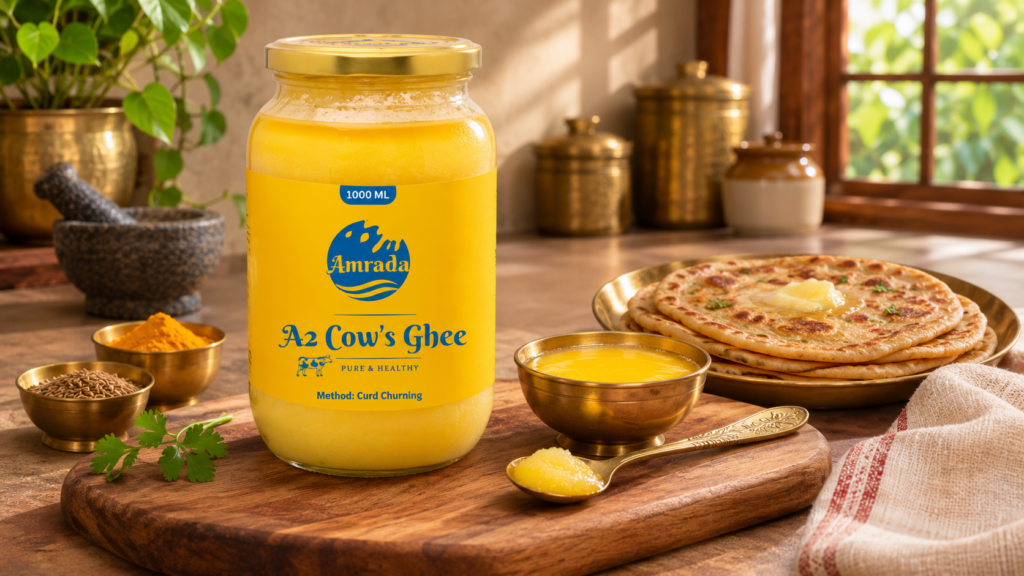
The difference in ghee vs butter begins with composition and cooking behaviour. Butter contains water and milk solids alongside milk fat, while ghee is clarified to remove most of the water and non-fat solids. That difference affects flavour, storage instructions, browning and suitability for particular cooking techniques. Ghee is often convenient for an aromatic finishing tadka or brushing onto a hot roti. Butter can add a creamy dairy flavour to pav, toast and some baking recipes, and its milk solids can brown when heated. Neither ingredient is automatically healthier than the other, and both contribute saturated fat. Choosing between them is mainly about the recipe, the heat involved, your preferred taste, the product’s label and your overall dietary pattern. This detailed guide explores how Indian home cooks can use each thoughtfully without treating traditional food preferences as medical facts. What exactly is the difference between ghee and butter? Butter is generally produced by churning cream or cultured cream to concentrate the milk fat. It retains some water and non-fat milk components. Ghee is made by heating butter or another appropriate dairy-fat starting material so that most water and non-fat milk solids are removed, while characteristic flavour develops. Individual manufacturing methods can vary, especially where cultured butter or different milk sources are involved. The FSSAI standard for milk fat products describes ghee as a milk-derived fat product with most water and non-fat solids removed. This regulatory distinction helps explain why a recipe calling for butter is not always identical to one using ghee. However, neither definition automatically verifies a brand’s specific claims about cow breed, traditional churning, laboratory testing or superior health outcomes. Those require product-specific evidence. How the two ingredients behave in a hot pan? When butter is heated, its water begins to evaporate and its milk solids can brown. That browning may create an appealing toasted flavour for some preparations, but excessive heat can also cause darkening and burning. Ghee has comparatively fewer non-fat milk solids, so it can often be used at higher cooking temperatures before similar milk-solid browning occurs. Actual smoke points vary by formulation, impurities and previous handling, so one fixed temperature should not be presented as a guarantee for every brand or batch. The sensible rule for either fat is not to heat it until it smokes heavily. The American Heart Association’s cooking-oil guidance notes that oils begin to degrade at their smoke point. If a pan is producing smoke, reduce the heat and reconsider the technique. Ghee’s practical heat tolerance does not make extreme frying a healthy cooking method or remove the need for appropriate food-safety practices. Ghee for tadka, dal and khichdi A small finishing tadka can carry the aroma of cumin, mustard seeds, garlic or other spices through an entire dish. Ghee is a familiar choice in many Indian homes because its flavour works well with hot spices and cooked lentils. Warm a modest measured amount in a suitable pan, add spices according to the recipe and remove from heat before ingredients burn. Then pour the prepared tadka over the food carefully, keeping hands and children clear of hot splashes. For khichdi, a measured spoonful of ghee at the end may provide enough aroma without requiring more throughout cooking. This is useful when family members want different richness levels: cook the base dish in a suitable way and let people add a little at the table. If you are planning to buy cow ghee online, consider the flavour you enjoy and how frequently you prepare these dishes. More ghee is not automatically better; ingredient balance is what makes a good recipe. Butter for toast, pav and creamy finishes Butter shines when a recipe benefits from its creamy texture, water content and recognizable dairy taste. Toasted bread, pav, certain sauces and some baked goods can be particularly dependent on butter’s character. In a pan with moderate heat, butter can produce appealing browning notes, but cook carefully rather than letting it burn. Salted and unsalted butter are not interchangeable in every recipe because added salt affects the final seasoning. For pav bhaji, a small amount of butter can be mixed in just before serving to create the familiar restaurant-style mouthfeel. For garlic bread, butter may carry garlic and herbs through the bread as it warms. Ghee can provide a different, richer aroma in these recipes, but the outcome will not be identical. It is more useful to think of ingredient substitution as a deliberate choice than as a universal upgrade. Which is better for rotis and parathas? Both are used, and the better answer depends on preference and cooking method. A little ghee on a hot roti creates a traditional aroma and coats the surface. Butter gives a different creamy finish and can be pleasant on a fresh phulka. For parathas, some families use ghee during cooking while others prefer an unsaturated cooking oil or a smaller amount of fat. Whichever you choose, measure additions rather than assuming that every layer must be heavily greased. It is also possible to cook a soft roti without adding fat to the dough or pan and use a small amount only at serving. That can make it easier for different family members to adjust their portions. If a recipe calls for butter but the cook chooses ghee, expect a possible change in flavour and water balance. This matters more in measured baking recipes than in simple roti finishing. Is ghee healthier than butter? There is no sound basis for treating either as a cure-all. Both supply substantial fat and saturated fatty acids, although their exact composition and water content differ. Ghee has less water and non-fat milk solids, so tablespoon-for-tablespoon comparisons may involve slightly different fat quantities. The relevant nutritional question is how much you use and what the rest of your diet looks like, not whether one ingredient has a more traditional reputation. The World Health Organization’s 2023 guidance on saturated fats emphasizes limiting saturated-fat intake and making appropriate substitutions with unsaturated fats. The ICMR-NIN

How to Store Cow Ghee in Indian Weather
Dairy Tips & Insights

How to Store Cow Ghee in Indian Weather: Containers, Heat and Everyday Care?

If you want to know how to store cow ghee, begin with four simple habits: keep the jar tightly closed, use a clean and completely dry spoon, protect it from direct sunlight and excess heat, and follow the storage directions printed on the specific product. A cool, dry cupboard can be suitable for some shelf-stable ghee products, while other packaging or climate conditions may call for refrigeration. The right choice depends on the manufacturer’s instructions, whether the jar is opened, and the temperatures in your home. Ghee is a concentrated dairy fat with relatively little moisture, but that does not make it immune to oxidation, contamination or changes in flavour. This guide explains what really affects ghee storage in Indian kitchens, how to handle warm summers and monsoons, and how to avoid common habits that reduce quality. It also distinguishes texture changes from genuine reasons to discard a product. Why storing ghee correctly important? Ghee is often used a spoonful at a time, so a jar can be opened repeatedly over many cooking sessions. Each opening exposes the contents to air and creates another opportunity for moisture, crumbs or food residues to enter. Sunlight, high temperatures and prolonged exposure to oxygen can also alter fats over time, producing unwanted aromas and flavours. Good storage is therefore not simply about preventing obvious mould. It is about protecting the product’s sensory quality and reducing avoidable contamination. According to the FSSAI manual on milk and milk products analysis, evaluating ghee can involve measurements such as moisture and established laboratory procedures. A household cannot reproduce these tests by examining colour or granulation. The practical response is to purchase correctly labelled products, avoid introducing water or crumbs and respect the date and storage advice supplied with the jar. Choose a clean, food-grade container The simplest container is often the original jar, provided it is intact, suitable for food storage and has a functioning lid. Glass allows you to see how much ghee remains and is easy to clean between uses. A compatible food-grade steel container can also be practical. If transferring ghee, wash and dry the new container completely before filling it, and avoid mixing an old, partially used batch with a fresh one unless a manufacturer specifically advises doing so. Do not use an unlabelled container that previously held household chemicals, fragrance products or non-food oils. Check lids for cracks and damaged seals. When a container is difficult to clean thoroughly, replace it rather than trying to work around accumulated residue. A container’s appearance matters less than its suitability and hygiene. Keeping the original product label or recording the batch and best-before date is helpful when ghee is moved to a decorative kitchen jar. Dry spoons are a small but important rule A spoon that has just been rinsed may still carry water droplets. A spoon used to stir dal may carry food particles, salt or moisture. Putting either into the main jar introduces material that did not belong there. Reserve a clean, dry spoon for ghee, or pour a small measured quantity into a separate utensil before cooking. This becomes especially useful when several family members prepare meals at different times. Avoid dipping rotis or bread directly into the shared container. If you want softened ghee for spreading, move a little into a separate clean bowl. Never pour unused ghee from a serving bowl back into the original jar. The main container should remain a storage vessel, not a common serving dish. These habits are easy to teach to children helping in the kitchen and can prevent unnecessary waste without adding extra equipment. Cupboard or refrigerator: which is better? There is no universal answer for every jar of cow ghee. The manufacturer may indicate storage in a cool, dry place away from sunlight and may provide instructions after opening. Follow those first. If your kitchen stays relatively cool and the label permits cupboard storage, an enclosed cabinet away from the stove, oven and window may be appropriate. If indoor temperatures become very high or the manufacturer recommends refrigeration, a properly cold refrigerator is a reasonable option. Refrigeration can change the texture of ghee, making it firmer and less convenient to scoop. That change alone does not mean the product has spoiled. In warm weather, ghee may soften or liquefy, also without necessarily indicating contamination. The important difference is between ordinary physical changes and a product with off odours, foreign matter, damaged packaging or an unknown history. For general food-safety principles, the WHO’s five keys to safer food encourage appropriate storage temperatures and clean handling. Keeping ghee away from a hot cooking zone Many Indian kitchens store oil, salt, spices and ghee on a shelf immediately beside the gas stove because they are used daily. Convenience comes at a cost if a jar sits close to burner heat, steam and cooking splashes. Select a cupboard that stays comparatively cool, and put the jar away after measuring what you need. If you regularly prepare tadka, keep a small serving bowl near your cooking station rather than the entire stock jar. Steam from a boiling saucepan may condense on nearby utensils, creating a moisture risk when those utensils are dipped into fat. Greasy cooking surfaces also accumulate dust and residues. Closing the jar immediately after use limits exposure. When the ghee becomes liquid in summer, do not mistake that change for a reason to leave the lid open or stir it repeatedly. A quiet storage location works better than constant handling. Summer, monsoon and winter storage decisions Indian homes experience varied conditions. A warm kitchen in June, a humid monsoon pantry and a cool winter cupboard are not identical environments. In summer, prioritize shade, distance from heat sources and any instructions about refrigerated storage. During the monsoon, concentrate on keeping water and damp utensils away from the jar. In winter, firm or grainy ghee may simply be responding to cooler temperatures. You do not need to heat an entire jar to make it look smooth

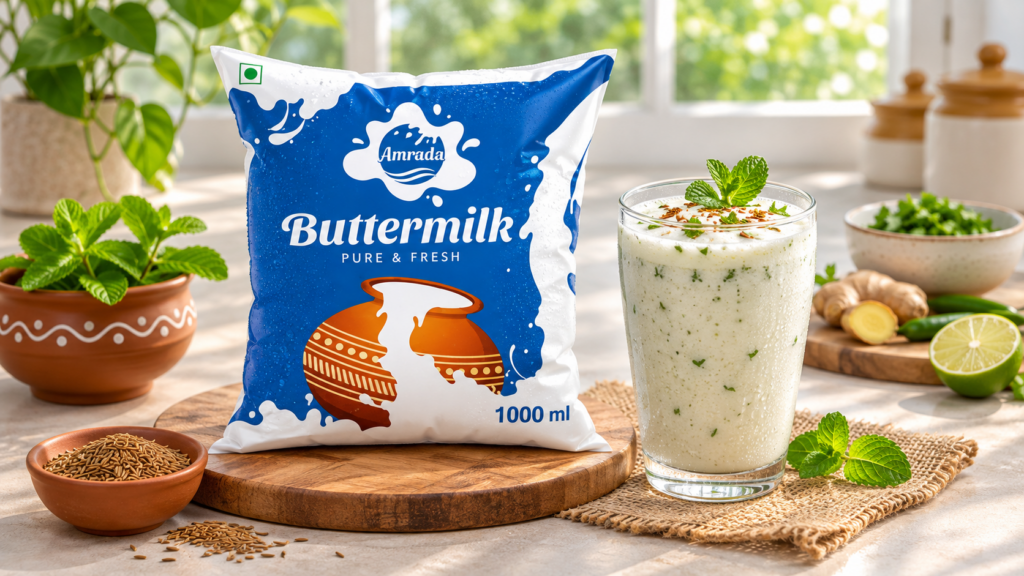
Glass of homemade masala chaas garnished with cumin and herbs
Dairy Tips & Insights

Masala Chaas Recipe: How to Make a Refreshing Buttermilk Drink with Dahi

A good masala chaas recipe is uncomplicated: whisk plain dahi until smooth, dilute it with safe drinking water to your preferred consistency, then add roasted cumin, a little salt, fresh coriander and other spices to taste. Serve it chilled and drink it promptly. The result is a tangy, savoury beverage that can accompany dal-rice, roti-sabzi or a simple summer lunch. For a basic two-glass preparation, start with one cup of plain dahi and approximately one to one-and-a-half cups of chilled water, adjusting until the drink pours easily. Traditional recipes vary widely by region and household, so there is no single compulsory spice formula. What matters most is the quality of the curd, the cleanliness of the preparation tools and the balance between tanginess, salt and aroma. This guide covers the classic method, regional variations, common mistakes, food safety and serving ideas. What is chaas, and how is it different from a lassi? Chaas is a light, often savoury drink associated with Indian meals. In many kitchens, it is made by thinning curd with water and seasoning it. Traditional buttermilk can also refer to the liquid remaining after butter is churned from cultured dairy. These related preparations do not always have identical ingredients or fat levels. When making chaas at home from dahi, it is clearer to describe the method rather than promise that the drink has the precise composition of traditionally churned buttermilk. Lassi is frequently thicker and can be sweet or savoury, while many chaas recipes are comparatively thin, spiced and served with meals. Regional names and preferences differ. The FSSAI standards for fermented milk products distinguish fermented dairy categories and drinks made from them; home recipes are not a substitute for commercial product labelling. For household cooks, the practical distinction is simple: use a good curd base, decide how thick you want the beverage and add flavourings deliberately. Ingredients for two refreshing glasses You do not need a complicated spice mix. Start with the following everyday ingredients and adjust according to taste, dietary needs and how sour your dahi is. Use a clean measuring cup if you want consistent results, particularly when preparing the drink for guests. Ingredient Starting quantity Purpose Plain dahi 1 cup Tangy dairy base Safe, chilled drinking water 1 to 1½ cups Dilution and consistency Roasted cumin powder ¼ teaspoon Warm, earthy aroma Fresh coriander 1 tablespoon, finely chopped Freshness Fresh mint A few leaves, optional Cooling flavour impression Ginger Small grated pinch, optional Sharpness Salt A small pinch, to taste Savoury balance Black pepper or green chilli Optional, very small amount Gentle heat   A pinch of black salt can add a different flavour, but it also contributes sodium; do not treat it as sodium-free or medically beneficial. For young children or anyone sensitive to spicy foods, omit chilli and use mild seasoning. A preparation intended for someone with a specific dietary restriction should be adapted to their needs. Step-by-step: the classic masala chaas method First, take chilled plain dahi that has been stored correctly. Whisk the dahi thoroughly with a spoon, balloon whisk or hand blender until no large lumps remain. This step matters because adding water to lumpy dahi tends to produce a drink that separates unevenly and feels grainy. You need a smooth base before adjusting thickness. Second, add cold, safe drinking water gradually. Mix after each addition rather than pouring it all in at once. A thick curd may need more water than a softer one, and preferences range from creamy to very light. Stop when the drink has the consistency you like. Third, stir in cumin, salt and freshly prepared herbs. Taste with a clean spoon and adjust one flavour at a time. Finally, pour into clean glasses and serve chilled. Avoid leaving the prepared dairy drink sitting at room temperature while the rest of lunch is prepared. How to roast cumin for better aroma Roasted cumin contributes a distinctive, nutty aroma that separates a good homemade chaas from plain diluted curd. Place a small amount of whole cumin in a clean, dry pan over low heat. Stir or shake regularly until the seeds smell aromatic, then remove them before they burn. Allow them to cool and crush in a clean spice grinder or mortar. A tiny amount is enough for a couple of glasses. Grinding a large quantity at once can be convenient, but ground spice loses aroma with prolonged exposure to air and humidity. Store extra roasted cumin in a clean, dry, tightly closed container away from heat. Do not roast with excessive oil or allow the powder to become bitter. Freshly prepared cumin should enhance the tang of the dahi rather than overwhelm it. If you already have a clean, well-stored ready-made roasted cumin powder, it is entirely suitable for a quick weekday preparation. Five flavour variations for Indian meals Classic jeera chaas: Keep the drink simple with roasted cumin, salt and coriander. This works well with everyday dal and vegetable dishes because the flavour does not compete with the meal. Mint chaas: Blend several clean mint leaves with a little water, then stir the paste into the dahi mixture. Strain if you prefer a smoother drink. Ginger chaas: Add a small amount of finely grated ginger for a sharper finish; use less than you think you need and increase gradually. Coriander-chilli chaas: Blend fresh coriander with a small amount of green chilli for adults who enjoy a little heat. Spiced black-pepper chaas: Omit chilli and use a few grinds of black pepper with cumin. If you are cooking for a mixed-age household, prepare the mild base first and season individual glasses separately. That approach gives everyone a choice without making several different recipes from scratch. How to avoid watery or overly sour chaas The most common reason chaas tastes watery is adding too much water before the dahi has been whisked. Begin with less and dilute gradually. If you have already made the drink too thin, whisk a little additional cold dahi in

How to Store Fresh Paneer at Home
Dairy Tips & Insights

How to Store Fresh Paneer at Home Without Losing Its Soft Texture?

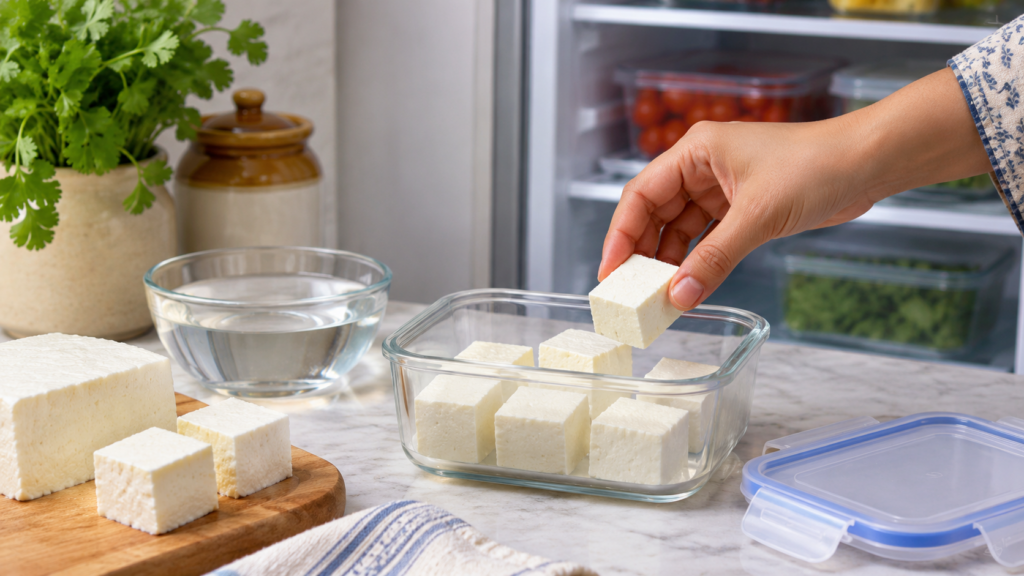
Knowing how to store paneer makes everyday Indian cooking easier, reduces unnecessary food waste and helps protect the people eating it. Paneer is a high-moisture dairy food, so it needs prompt refrigeration, clean handling and attention to the actual use-by instructions. A closed, food-grade container in a refrigerator kept at 4°C or below is a sensible starting point. Do not leave fresh paneer on the kitchen counter for hours, and do not assume a block is safe simply because it still looks white. Its flavour and texture also change with storage, particularly when the surface dries out. The following guide separates food-safety essentials from optional texture techniques and explains how to handle opened, cooked, frozen and leftover paneer. These recommendations are useful for households cooking paneer bhurji, matar paneer, sandwiches, wraps and celebratory dishes. What makes paneer different from hard cheese? Paneer is a fresh, usually unripened cheese made by coagulating heated milk and draining the curd. Unlike many aged cheeses, it is not intentionally dried for a long maturation period. It retains substantial moisture, and that is part of the pleasant, soft bite people expect. The same moisture means that safe handling matters from the moment you bring it home. There is no reliable universal shelf-life number for every form of paneer, because packaging, heat treatment, moisture, hygiene and temperature history vary. The World Health Organization’s food-safety framework recommends cleanliness, safe temperatures, adequate cooking where appropriate and safe raw materials. Those principles apply directly to paneer. If you purchase fresh paneer from a local dairy, ask how it should be refrigerated and how soon it should be used after opening. Never substitute online rules of thumb for a date or handling instruction provided on the actual pack. Start with the purchase and the journey home Food safety is not something to think about only after the paneer reaches your refrigerator. If you buy from a shop, select a properly stored package and bring it home promptly, ideally in an insulated bag if the weather is hot or the journey is long. Choose a product with intact packaging and legible information. If a loose block is sold without protective packaging, ask how it has been chilled and handled before purchasing. The FDA’s guidance on chilling perishable food advises refrigerating promptly and maintaining a refrigerator at 4°C or below. This principle is particularly important during Indian summers and while running errands between shopping and returning home. Paneer should not sit in a hot vehicle while you make several additional stops. The safest buying trip is one that minimizes unnecessary warm exposure. Refrigerate paneer promptly and consistently Once home, store the product in the coldest suitable area recommended by your refrigerator’s manual, without risking freezing unless you intend to freeze it. Interior shelves usually experience fewer door-opening temperature changes than door compartments. If your refrigerator is overcrowded, make space so cold air can circulate. Keeping paneer cold is more important than choosing a decorative storage box. Do not leave an opened block on a plate next to your chopping board while other ingredients are prepared over a long period. Cut the quantity needed and return the remainder to the refrigerator. In a busy kitchen, one person might unwrap paneer while another cooks, making it easy to lose track of time. Agree on a simple rule: take it out when you need it, use clean utensils and put leftovers away quickly. The FDA’s general storage advice also recommends covered containers and checking refrigerated foods regularly. Should paneer be stored in water? Some home cooks keep paneer submerged in water because it may reduce drying and help maintain a soft feel. That is a texture technique, not an automatic safety guarantee. Water can introduce contamination if the vessel, liquid or utensils are unclean. It may also alter the product’s flavour or surface quality. If the manufacturer supplies paneer in a particular liquid or sealed format, follow that label rather than transferring it without a reason. For a small, freshly opened block you plan to use soon, a clean airtight food-grade container can be more straightforward. If you choose to use water for texture, only use safe drinking water, a cleaned vessel and a continuously cold refrigerator, and replace the water using clean equipment as needed. Do not use the water method to extend a product beyond its stated use period. When in doubt, storage instructions on the product take priority over social-media kitchen hacks. How to prevent paneer from turning dry or rubbery? Paneer’s familiar softness comes partly from its retained moisture. Exposing a cut block to circulating refrigerator air can make its surface dry. Wrapping loosely in a way that allows leakage or contact with other foods can create other problems. A properly sealed, clean container helps limit moisture loss while protecting the block from nearby aromas. Keep raw vegetables, uncooked meat and leftovers in separate containers to prevent cross-contamination. Texture is also affected by cooking. Prolonged dry frying can make many paneer pieces feel firm. For dishes such as matar paneer, adding the pieces near the end of cooking rather than boiling them aggressively for a long time may preserve a tender bite. For bhurji, crumble only the amount you need, and cook it promptly. Good storage protects the ingredient; thoughtful cooking protects the final dish. Do not claim that a particular trick can restore paneer that has spoiled. Cutting, serving and storing an opened block Wash hands and clean the knife and cutting board before handling paneer. If the same board was used for raw poultry, meat or unwashed produce, clean it thoroughly before preparing ready-to-eat dairy foods. Place the paneer on a clean surface, divide into practical portions and avoid touching the reserve block unnecessarily. Put the unused portion in a properly closed food-grade container and return it to cold storage. Labeling an opened container with the opening date can be helpful in shared kitchens. However, the label does not create a new shelf-life promise; the original product’s use-by

How to Store Fresh Cow Milk Safely After Delivery
Dairy Tips & Insights

How to Store Fresh Cow Milk After Home Delivery: A Dehradun Household Guide

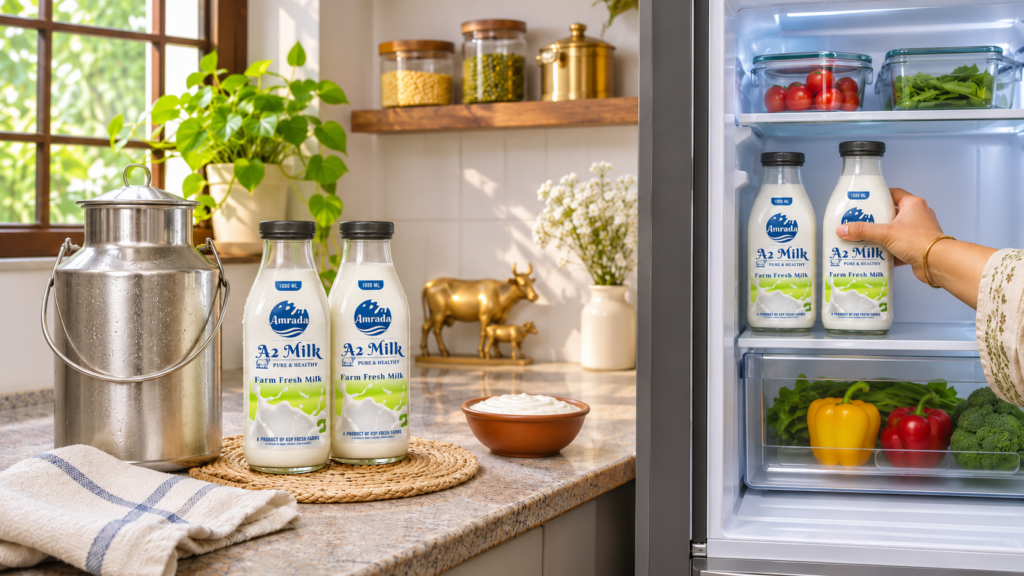
Fresh cow milk is a useful everyday ingredient, but its quality after delivery depends on what happens in your kitchen. The practical answer to how to store fresh cow milk is straightforward: receive it promptly, follow its processing and handling instructions, transfer it only into clean food-grade containers when necessary, and keep it refrigerated at 4°C or below. Avoid leaving milk on the doorstep, in a warm kitchen, or beside a stove. Heat, unclean utensils and repeated temperature changes can shorten its usable life. These steps matter whether the milk is for morning tea, a child’s breakfast, cooking or homemade dahi. This guide focuses on the moments after a Dehradun delivery arrives, rather than claiming that any particular milk variety can stay safe without refrigeration. It also explains how to plan quantities, handle power cuts and distinguish food safety from taste or freshness. Why the first thirty minutes after delivery need cautions? A delivery may arrive while a household is getting ready for work, school or breakfast. It is tempting to leave the bottle on a counter until someone has time to deal with it. Instead, make receiving milk part of a short, repeatable morning routine. Bring it indoors without delay, inspect the closure and label, and put it in the refrigerator promptly if it is a ready-to-refrigerate product. If the manufacturer specifically instructs boiling before consumption, follow that guidance using a clean vessel, and then cool and refrigerate without unnecessary delay. Do not assume every delivered milk product has the same processing status. The World Health Organization’s five keys to safer food emphasize cleanliness, safe temperatures and safe raw materials. These principles matter more than attractive descriptions such as farm-fresh. Good sourcing and dependable delivery are important, but they do not replace careful storage at home. Keep a designated clean space in the refrigerator ready before delivery; that small preparation makes proper handling easier on busy mornings. Know whether your milk needs heating before use People often use the words fresh, raw, pasteurized and boiled as though they mean the same thing. They do not. Freshness describes time and condition, while pasteurization describes a defined heat treatment. Milk can look and smell acceptable even when unsafe microorganisms are present. The CDC’s consumer guidance on raw milk explains that pasteurization is an important measure against germs associated with raw dairy products. When receiving a bottle, read the exact processing statement and the producer’s directions. If the information is unclear, contact the seller rather than guessing. Boiling a product that requires boiling is different from repeatedly reheating already safely processed milk. Also remember that heating does not make a milk bottle safe if it has been mishandled, contaminated or left warm for an excessive period. For people who are pregnant, very young, older or immunocompromised, extra caution around unpasteurized dairy is especially important. Make your refrigerator work for you For perishable milk, the goal is cold, stable storage. The US Food and Drug Administration’s refrigerator guidance recommends keeping a refrigerator at 40°F, approximately 4°C, or below. A small appliance thermometer is useful because a dial setting does not always reflect the temperature inside. Check the reading periodically, especially during warmer months, when the refrigerator is very full or after a power interruption. Place the milk in an interior area where temperature tends to be more consistent rather than repeatedly exposing it to warm air on the refrigerator door. Leave room for air circulation and keep raw foods in separate, covered containers so their liquids cannot drip onto ready-to-drink milk. Do not store milk uncovered next to strong-smelling foods. The key is not an expensive container or gadget; it is a clean, cold and consistent environment. If you are storing a large delivery, divide it only when useful and only into properly cleaned containers. Glass bottle, steel vessel or food-grade container? A well-maintained glass bottle can be convenient because it is easy to inspect visually and does not usually retain cooking odours. Steel containers are common in Indian kitchens and can also work when clean, food-grade and covered. Food-safe containers with intact lids are acceptable when used according to their instructions. Avoid scratched, cracked or difficult-to-clean vessels. Do not reuse containers that previously held cleaning agents or other non-food substances. Whether you keep milk in the delivered bottle depends on the packaging and the brand’s instructions. If the milk comes in a returnable glass bottle, check the cap, ensure the exterior is clean, and avoid touching the bottle opening. Wash hands before pouring. A clean pouring action prevents the lip of the container from touching cups or utensils that may carry food residue. Avoid returning leftover milk from a drinking glass to the main bottle. That practice can introduce saliva and additional microorganisms into the milk everybody shares. A practical morning routine for working families The best system is one that works even when everyone is in a hurry. Assign someone to receive the delivery, inspect it and place it in the correct storage location. Decide the portion needed immediately for tea or cooking; leave the remainder chilled rather than keeping the entire bottle by the gas stove. When transferring milk to a saucepan, pour the intended quantity first and put the bottle back before beginning other tasks. Families using Amrada’s milk home delivery service in Dehradun can plan their recurring needs around breakfast, school tiffins and evening cooking. A routine also helps identify unusual changes in delivery timing or packaging. Ask the supplier how to manage a missed delivery, when to return bottles where applicable and how to report a leaking container. These practical questions are useful even if your household only purchases milk a few times each week. How much milk should you order each day? Ordering more milk than your family can reasonably use may create waste and repeated handling. Instead of guessing, note consumption over several ordinary days. Include milk for tea, coffee, breakfast, curd setting, desserts and cooking. Consider whether guests are expected or whether somebody

Fresh A2 Milk Delivery in Dehradun by Amrada
Dairy Tips & Insights

A2 Milk Delivery in Dehradun – Fresh Milk from Amrada

A2 Milk Delivery in Dehradun – Why Amrada is the Best Choice Introduction For families looking for A2 milk delivery in Dehradun, knowing where the milk comes from, what type of milk they are buying and whether delivery is available in their area can be just as important as convenience. Amrada is a Dehradun-based dairy brand operating through KSP Fresh Farms in Doiwala, Dehradun. The brand offers A2 Cow Milk and Premium Cow Milk for local customers, along with other dairy products such as paneer, dahi, buttermilk and cow ghee. This guide explains what A2 milk is, how Amrada approaches its dairy operations, how to check delivery availability and where to find current product information. What is A2 Milk? What is A2 Milk? A2 milk is cow milk identified by the type of beta-casein protein it contains. The term “A2” specifically refers to the A2 variant of beta-casein. It does not mean that A2 milk contains only one type of protein; milk naturally contains several different proteins and nutrients. Customers often choose A2 milk based on their personal preference, milk source and interest in locally supplied dairy products. If you would like to understand the difference in more detail, read: A1 vs A2 Milk – What’s the Difference? The main distinction between A2 cows’ milk and ordinary cows’ milk is based on the naturally-occurring protein(s) present in milk. A2 milk only contains A2 beta-casein as opposed to more than one type of protein based on the type of breed of cow. In addition to being different in terms of protein content, A2 milk is a popular choice for consumers due to the fact that it is often sourced directly from local farms, and thus has a greater focus on both quality and freshness. Amrada’s farm to home delivery service allows consumers to receive milk that has been collected, processed and delivered in as short a period of time as possible to ensure maximum freshness. A2 Milk Delivery in Dehradun from Amrada Amrada supplies A2 Cow Milk in Dehradun subject to current product availability and delivery coverage. Operating through KSP Fresh Farms, the brand focuses on local dairy operations and supplying milk to households within its active delivery routes. Customers should confirm whether their specific address is currently serviceable before placing their first order. Check Your Delivery Area Amrada’s delivery coverage may vary depending on your location and current delivery routes. You can check the latest serviceability information here: Milk Delivery Areas in Dehradun Why Choose A2 Milk Delivery in Dehradun? Local milk delivery can make regular dairy purchases more convenient for households that use milk every day. Instead of repeatedly visiting a store, customers can check local availability and arrange milk delivery based on the service options currently offered in their area. Some practical advantages can include: convenient doorstep delivery access to locally supplied dairy products easier recurring household milk purchases clearer information about the dairy brand and source direct contact with the supplier for availability and delivery questions Actual delivery frequency, timing and availability should always be confirmed with Amrada for your location. Growing Demand for Fresh A2 Milk  As consumers continue to grow their concern for food source quality, there has been rapid growth in demand for fresh A2 milk. Families today are looking for dairy that is fresh, ethically sourced, and delivered straight from trusted farms. With Dehradun’s doorstep delivery of A2 milk, busy homes can now order their daily supply of high-quality, fresh milk efficiently. Benefits of Doorstep Delivery The advantages of receiving your milk at home include being able to enjoy fresh milk without having to make a trip to the store every day, saving you both time and effort. Some of these advantages are as follows:  Fresh milk delivered to your house Time savings through no longer traveling  Milk packaged hygienically for increased safety   Reliable morning delivery   Family-friendly, work-friendly, and senior-friendly   Customers will receive their milk regularly, making it a simple part of their daily routine. Why Local Farm Delivery is Better than Store-Bought Milk? Milk from local dairy farms is typically delivered to customer’s homes quicker than milk that goes through the longer supply chain of commercial delivery services. The brief distance the milk travels helps to maintain freshness and decreases the time the milk is held in storage before it reaches the consumer. Amrada’s farm-to-home delivery method involves picking up fresh milk from the manufacturer’s location, then transporting it to the customer’s home after it has been packed. By doing this, families receive milk that is fresh and can track the source of the product and its handling prior to delivery. Amrada’s Farm-to-Home Delivery Process At Amrada, each part of every step in the milk delivery process is planned with the goal of delivering quality and freshness. From the way we raise our native cattle to how we deliver fresh A2 Milk right to your front door. The entire delivery process can follow the same high standards of quality. By using this process of getting fresh A2 Milk to consumers, we are able to provide families with fresh milk, daily, with little or no processing or long storage periods. Fresh Milking at the Farm  The process of producing cream starts at Amrada’s dairy operation where BC’s best indigenous cows are raised in a healthy environment that is free from stress. All cows at Amrada’s are fed healthy feed, given fresh clean water to drink, and provided with veterinary care; thus, they remain in good overall health. When the milk is collected from the cows, it is done so using hygienic milking practices in order to preserve its natural freshness and nutritional value. The milk then goes straight from the cows to processing; therefore, it is not contaminated after being collected and is of the highest quality before going through processing. Hygienic Collection & Quality Checks  We prioritize quality above everything else at Amrada. We have a strict set of how we handle our milk once we have collected it, including testing

Dairy Tips & Insights

CBS Reports Factor Peter Attia Under Fire After Epstein Disclosures

Posts What is the Nipah virus and you can what exactly are their symptoms? Usually do not skip tomorrow’s medical care world development The new cases are in a couple nurses, even if local media report that three extra people, a doctor, nursing assistant and one personnel in addition to got symptoms. At the same time, wellness authorities within the Taiwan are preparing to checklist 03June Nipah viral infection since the a class 5 notifiable state, the greatest class for really serious emerging infections lower than local laws. Wellness desks was establish so you can screen visitor to own episodes, and you will hospitals and you may border fitness items have been trained in order to report and perform doubtful times. What’s the Nipah malware and you will exactly what are their attacks? In his mind’s eye, they simply lead to questions swirling on the his health and energy, supply said. The fresh additions on the agenda, which is blasted off to the brand new mass media a night, was no accident. Vague meanings away from presidential signing ceremonies, policy conferences and you may community government stay downs — mostly in today’s world — began peppering Chairman Donald Trump’s societal agenda at the conclusion of a year ago. She said the newest connection’s battle for finest operating criteria will ultimately help clients because the well. Medical personnel have been making Kaiser to own high-spending operate in the other local medical facilities, Mansourian said. The fresh results could help doctors customize existence and you can scientific interventions in order to help alleviate problems with cardiovascular incidents, the brand new experts detailed. We’ve several times viewed him trying to cover up weird bruises on the their give, the guy is unable to remain awake throughout the social situations and from now on, from the his very own entry, he’s overlooking his doc’s information and you can bringing a top every day dose away from aspirin while the he’s “superstitious.” Measles try an extremely infectious state which can be bequeath from recommendations from heavens and will remain in the brand new heavens for a few times after an unwell person coughs or sneezes. “I’ve identified you to definitely some thing try completely wrong for a long time,” Tallulah authored. Do not skip tomorrow’s medical care community development The brand new TDDC director general informed that the malware “can lead to neurological symptoms possesses a relatively large demise speed.” Four folks have contracted the new Nipah virus, the brand new Thai bodies verified. We’re going to automatically article your own opinion and a link to the new reports tale to your Fb timeline meanwhile they are posted to the MailOnline. There’s no treatment for the condition, but several vaccines up against the malware are currently inside the evaluation. Once periods arise, people are able to produce serious issue such encephalitis, otherwise soreness of one’s notice.

Difference between A1 and A2 milk
Dairy Tips & Insights

Difference between A1 and A2 milk

Many people drink milk every day, but not all milk is the same. You might have heard of Difference between A1 and A2 milk and wondered what they are. The main difference lies in the type of protein present in the milk, which can affect digestion and overall health. Choosing high-quality options like Amrada A2 milk can further support better digestion and purity. What is A1 Milk? Most A1 milk comes from foreign or crossbred cows, such as Holstein Friesian and Jersey breeds. It contains A1 beta-casein protein, which is one of the main proteins found in milk. Some research suggests that during digestion, A1 protein may break down into a compound called beta-casomorphin-7 (BCM-7). This compound may be linked to digestive discomfort in certain individuals. What is A2 Milk? A2 milk is obtained from indigenous (desi) cow breeds like Gir, Sahiwal, and Red Sindhi. It contains only A2 beta-casein protein, which is believed to be closer to the original form of milk consumed by humans. Premium sources like Amrada A2 milk ensure freshness, purity, and farm-to-home quality. Unlike A1 milk, A2 milk does not produce BCM-7 during digestion, making it easier on the digestive system for many people. Key Difference Between A1 and A2 Milk Feature A1 Milk A2 Milk Protein Type A1 beta-casein A2 beta-casein Cow Breeds Foreign/crossbred cows Indigenous (desi) cows Digestion May cause bloating in some people Easier to digest Peptide Release Produces BCM-7 No BCM-7 release Availability Widely available Limited & premium Price More affordable More expensive Scientific Difference Explained The difference between A1 and A2 milk is due to one amino acid in the beta-casein protein. A1 milk contains histidine, while A2 milk contains proline. This small change affects how the protein is digested and how the body responds. A1 milk contains histidine A2 milk contains proline This small variation affects how the protein is broken down in the digestive system, leading to different effects on the body. Health Considerations Some people may experience bloating, gas, or stomach discomfort after consuming A1 milk. A2 milk is often preferred by those with mild digestive issues, as it is considered easier to digest, though research is still ongoing. Bloating Gas Stomach discomfort A2 milk is often preferred by people who: Have mild symptoms of lactose sensitivity Experience difficulty digesting regular milk Many consumers prefer trusted sources like Amrada A2 milk for better digestibility and natural quality. However, it is important to note that research is still ongoing, and not everyone reacts the same way to A1 milk. Nutritional Value A1 and A2 milk both provide essential nutrients like calcium, protein, vitamins B12 and D, and potassium. There is no major difference in nutrition; the main distinction lies in how easily the milk is digested. Calcium Protein Vitamins (B12, D) Potassium The key difference lies in digestibility, not nutritional content. Price and Availability A1 milk is widely available in supermarkets and is more affordable. A2 milk is less common and usually more expensive due to traditional farming practices and lower milk yield from indigenous cow breeds. A1 Milk: Widely available in supermarkets and dairy brands A2 Milk: Less common and usually more expensive due to traditional farming methods and lower yield of desi cows, especially premium options like Amrada A2 milk. Which One Should You Choose? Your choice depends on your body and personal preferences: Choose A1 Milk if: You have no digestive issues You are looking for a more affordable option Choose A2 Milk if: You experience discomfort after drinking regular milk You prefer natural, farm-based dairy products such as Amrada A2 milk Conclusion A1 and A2 milk mainly differ in their protein structure, which can influence digestion. While both types offer similar nutrition, A2 milk may be a better choice for those with sensitive digestion or a preference for traditional dairy, especially when sourced from trusted providers like Amrada.     Frequently Asked Questions About A1 and A2 Milk Understand the difference between A1 and A2 milk, their protein composition, nutritional value, digestion and availability in Dehradun. What is the main difference between A1 and A2 milk? The main difference between A1 and A2 milk is the type of beta-casein protein. A1 milk contains A1 beta-casein, while A2 milk contains only A2 beta-casein. Both provide essential nutrients, including calcium and protein. Is A2 milk easier to digest than A1 milk? Some studies suggest that A2 milk may cause fewer digestive symptoms than milk containing A1 beta-casein in certain individuals. However, research is still ongoing, and digestive responses vary from person to person. Is A2 milk lactose-free? No. A2 milk contains lactose, just like regular cow milk. The difference lies in its beta-casein protein, not lactose content. People with lactose intolerance may still experience discomfort after drinking A2 milk. Which cow breeds produce A2 milk in India? Indian cow breeds such as Gir, Sahiwal and Red Sindhi are commonly associated with A2 beta-casein. However, the protein type depends on the individual cow’s genetics, so breed alone does not guarantee A2-only milk. Does A1 milk produce BCM-7 during digestion? Digestion of A1 beta-casein can release a peptide called beta-casomorphin-7 (BCM-7). A2 beta-casein is much less likely to release this peptide under similar conditions. The health significance of this difference is still being studied. Is A2 milk more nutritious than A1 milk? A1 and A2 milk generally offer similar nutritional benefits, including protein, calcium, potassium and vitamin B12. Their main difference is the beta-casein protein type rather than a significant difference in overall nutritional value. Where can I buy fresh A2 cow milk in Dehradun? Amrada offers A2 cow milk in Dehradun through its local milk delivery service. Customers can explore product details and confirm delivery availability in their locality before placing an order. Looking for Fresh Cow Milk Home Delivery in Dehradun? Check whether Amrada delivers to your locality, explore A2 Cow Milk and Premium Cow Milk, and review the current milk range before starting your order. Check Service Areas View A2 Cow Milk View Premium

Scroll to Top

    Please enable JavaScript in your browser to complete this form.

    Please enable JavaScript in your browser to complete this form.